Are We Raising Capable Kids?
Oct 24, 2026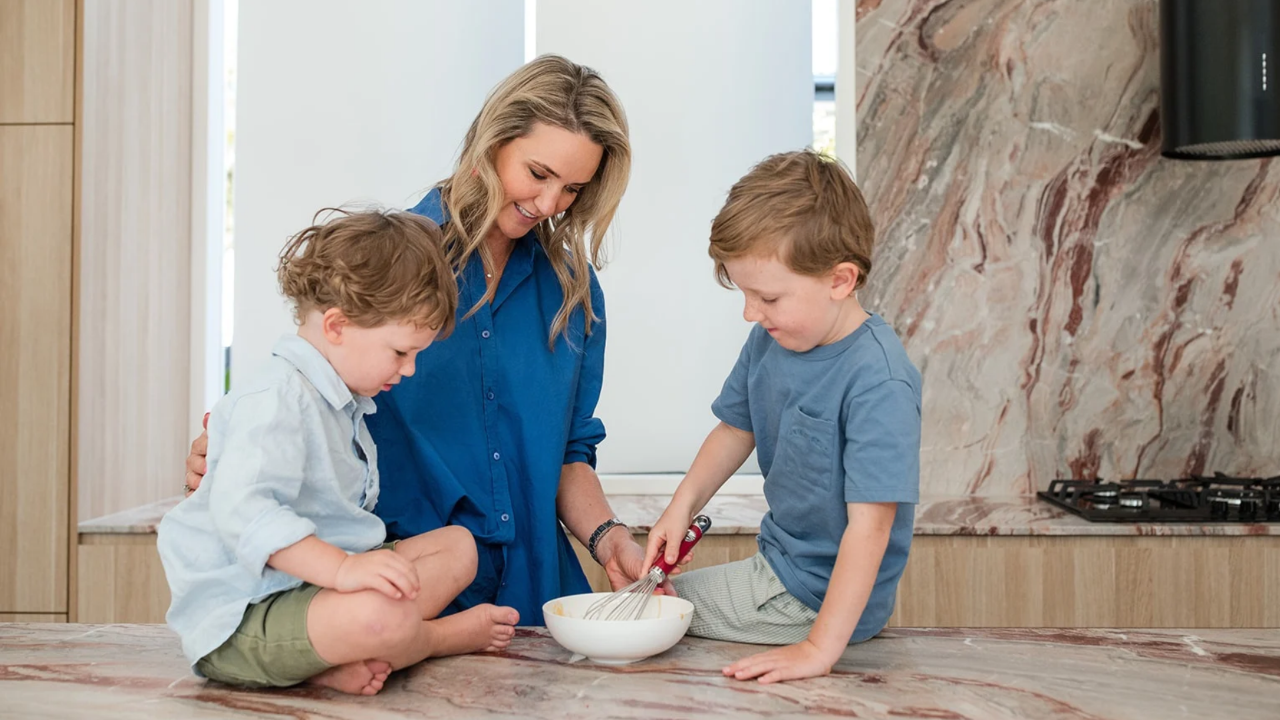
How everyday opportunities can help children build skills, confidence and independence
As a parent, I know how tempting it is to step in. We’re getting out the door. Someone needs their shoes on. The bag still isn’t packed. We could give our child time to work through it, but doing it ourselves would be quicker. Sometimes, that’s exactly what needs to happen. Families have real pressures, and every morning doesn’t need to become a teaching opportunity.
But it’s worth asking: how often are we taking over something our children could learn to do with a little support?
I often talk to my paediatric teams about becoming a translator for children themselves, as well as for parents and their care team. Because really we need to be giving the children the skills to understand what their body is telling them and strategies to help them navigate it. Yes parents want strategies to help with their children but the most important part? The child.
In my recent podcast episode of Move. Talk. Thrive., I explored a question that connects my work as a paediatric exercise physiologist with my experience as a mum: are we giving children enough opportunities to become truly capable?
Make room for a small attempt
Think about getting dressed. “Get yourself ready” might involve more steps than a child can currently manage: choosing clothes, working out which way they go, balancing, pulling, fastening and keeping track of what comes next. We can make the task more achievable without taking over every part. Perhaps we lay the clothes out in order. Perhaps we help start the zip and let the child finish. Perhaps today they manage one shoe.
That gives us something useful to build on. The next question becomes: what support helped, and which part could they try again?
Look at what the task demands
When a child avoids an activity, it helps to get curious before deciding they lack motivation.
Consider a playground game. Can they follow the rules? Keep up with the other children? Catch the ball? Ask to join in? Cope when the game changes? Those are different demands, and they call for different kinds of support. Practising a throw in a quiet space may be a useful starting point. So might simplifying the game or helping a child find the words to join. We need to understand what makes participation difficult before choosing how to help.
Independence can include support
Being capable doesn’t mean doing everything alone. A child might use a visual checklist to pack their bag, adapted equipment to join an activity, or ask an adult for help with one difficult step. Those supports can be part of successful participation. The aim is to give children an active role in their own lives, with support that fits their needs.
Ask parents to: Choose one opportunity this week
We don’t need to overhaul parenting in a difficult scenario. Start with one task they regularly do for their child.
Then Ask:
- Which part could they try?
- What would make that part manageable?
- Can I allow enough time for an attempt?
- How will we recognise their effort without expecting perfection?
It might be putting their swimming gear in a bag or asking a café staff member for a napkin while you stand beside them. Keep it small enough to practise again. We can care deeply for our children and still leave room for them to try. Sometimes the most useful thing we can offer is a little time, a clear starting point and confidence that their contribution matters.
Listen to episode #102, Are We Raising Capable Kids?, on Move. Talk. Thrive.