
A Clinicians Guide to Supporting Clients into a New School Year
Jan 06, 2026
What I Wish Clinicians Knew About helping complex children during a new school transition
January is often framed as “starting school season,” but from a clinical perspective, it is far more complex.
Children are not only transitioning into new schools. They are adjusting to new teachers, new expectations, new environments, new routines, new peer dynamics, and often new extracurricular demands. Even when a child remains in the same setting, the context around them has shifted.
For children with developmental differences, emotional regulation challenges, or complex needs, January can place a significant load on their nervous system. As clinicians, this period calls for intention, flexibility, and leadership.
Here is what I believe matters most when supporting children and families through new year transitions.
1. Lead With Grace Before Intervention
Transitions are inherently dysregulating. Behavioural changes, regressions, emotional outbursts, and fatigue are often adaptive responses to change, not indicators of failure or lack of skill.
As clinicians, naming this normalises the experience for families and reduces unnecessary pressure on the child.
Clinical lens:
Before escalating goals or increasing demands, ask what the child’s nervous system is communicating. Lead with empathy, reassurance, and co regulation before correction.
2. Consistency Is Therapeutic
During periods of change, consistency becomes a core intervention.
For many children, therapy sessions are the most predictable and regulated part of their week. Familiar faces, consistent session structures, and reliable routines provide safety when external environments are unpredictable.
Reducing or pausing therapy during transitions may remove one of the most stabilising supports a child has.
Clinical lens:
Your presence, structure, and predictability may be just as impactful as the intervention itself during this time.
3. Prepare Early to Support Regulation
Early planning reduces stress for clinicians, families, and children.
Locking in schedules, planning caseloads, and clarifying expectations ahead of time allows for smoother transitions and stronger therapeutic relationships. Preparation also supports co regulation, calm clinicians create calmer systems.
Clinical lens:
January is not the time for reactive scheduling. Proactive planning protects both clinician capacity and family outcomes.
4. Maintain Continuity Through Holiday Periods
Children do not pause development during holidays, and neither does their need for regulation and support.
Maintaining continuity of care through holiday periods, even with modified delivery, supports skill retention and reduces the intensity of transitions back into school based routines.
Clinical lens:
Small adjustments in service delivery can prevent larger regressions and reduce transition related stress in the first school weeks.
5. Use Groups to Scaffold Transition Skills
Group programs are powerful clinical tools during transition periods.
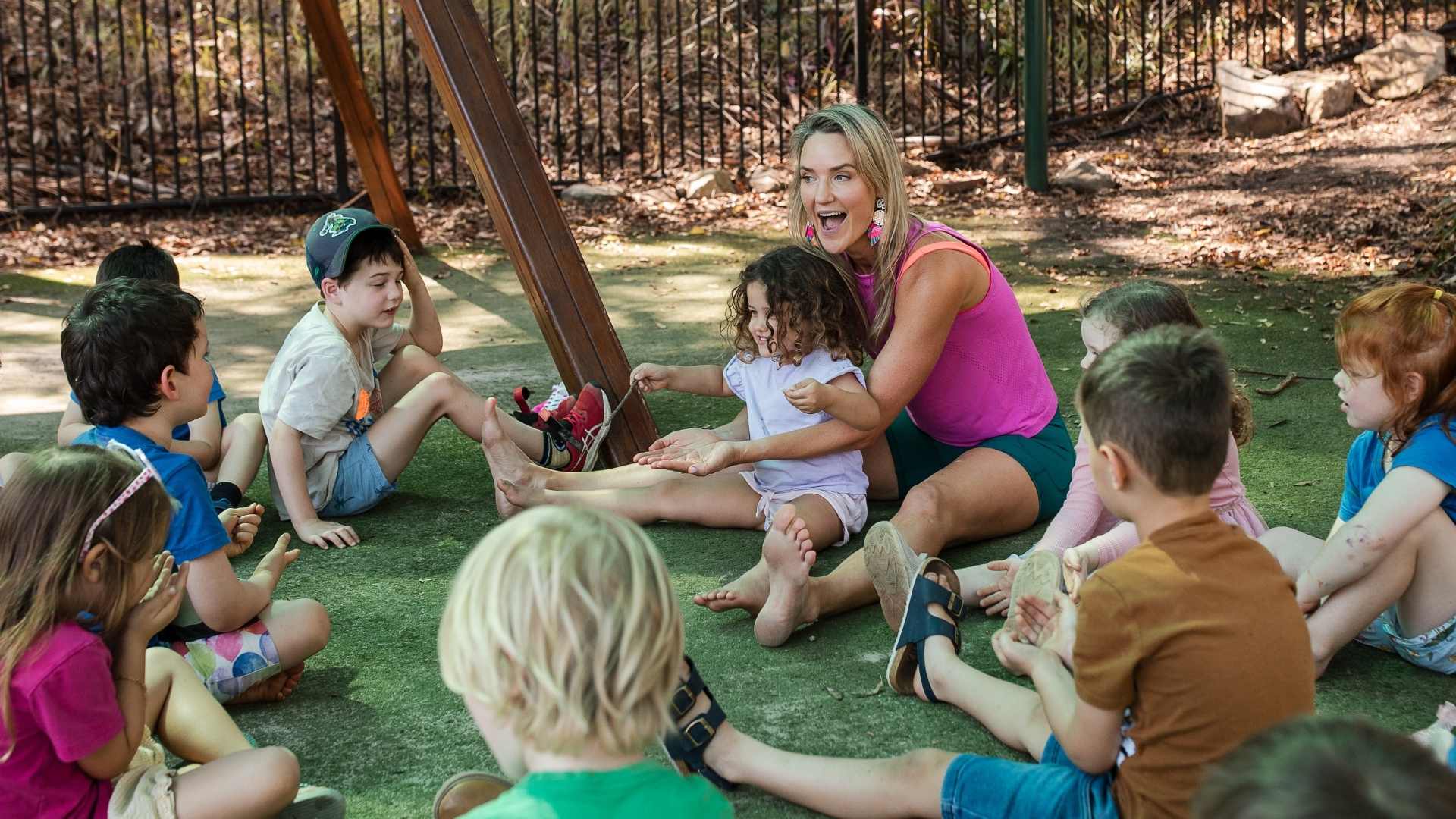
They allow children to practise social engagement, flexibility, emotional regulation, and motor planning in a supported environment. Group settings create opportunities for “gentle discomfort” while maintaining safety and clinical oversight.
Clinical lens:
Well structured group programs can bridge the gap between 1:1 therapy and classroom expectations.
6. Proactively Connect the Adults Around the Child
Transitions are most successful when communication is intentional and early.
Parents, educators, and allied health professionals each hold critical insights. Sharing strategies, triggers, and supports ahead of time reduces misunderstanding and promotes consistency across environments.
January is a key window for case conferencing, school liaison, and collaborative planning.
Clinical lens:
Do not underestimate the impact of proactive communication. Early collaboration can change the trajectory of a child’s entire year.
January Is a Leadership Moment
January is not just a busy clinical period. It is a leadership moment.
How we show up during transitions sets the tone for families, educators, and children. By leading with empathy, consistency, and collaboration, we create environments where children feel safe enough to engage, learn, and grow.
At Kids Heart Pilates, we remain committed to supporting families and clinicians through transitions with intentional, developmentally informed care, including continuity through school holidays.
