
Movement Is the Message: What Children's Movement Is Telling Us about development, learning and participation.
Aug 10, 2026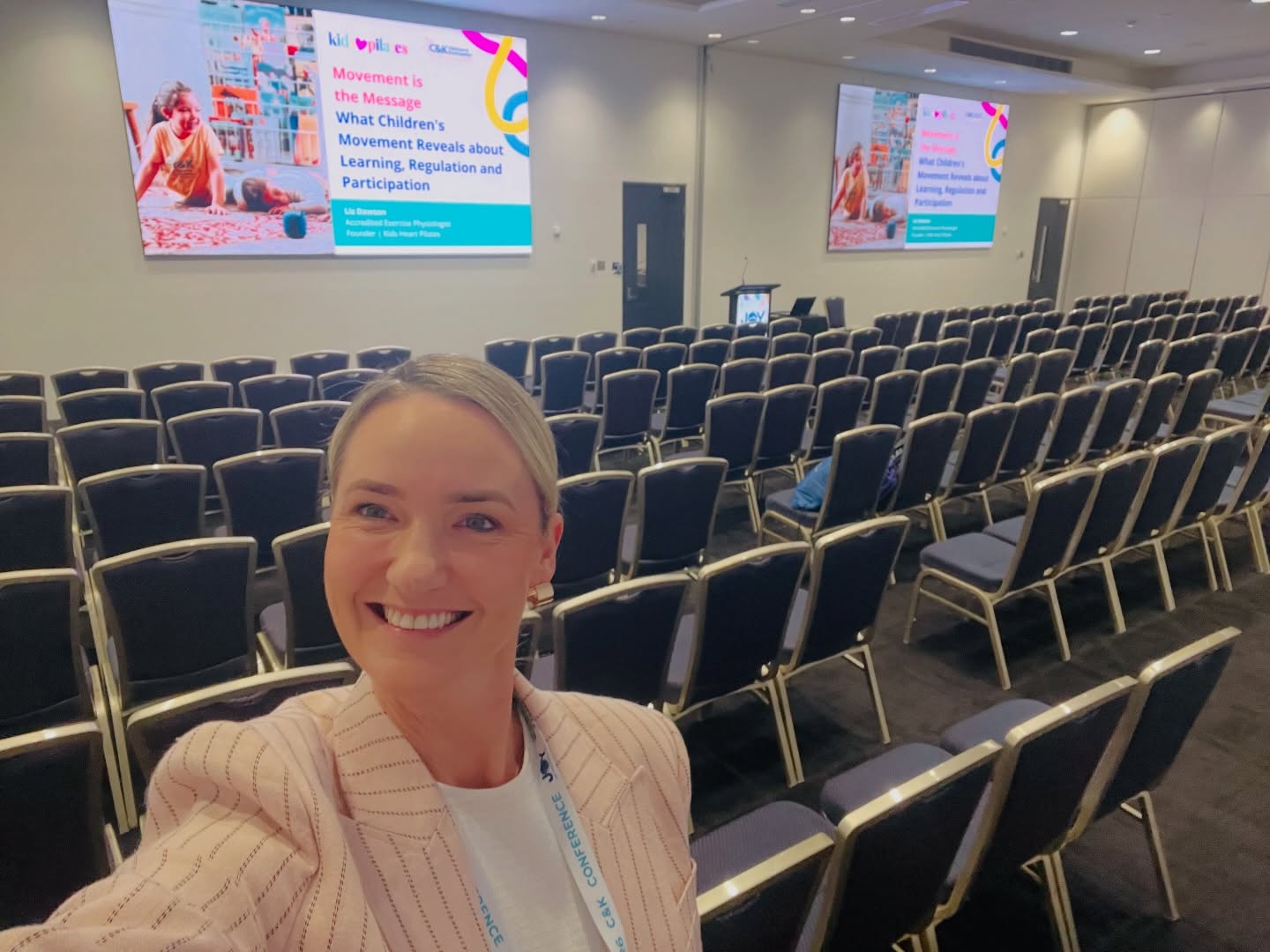
Last month, I had the privilege of presenting at the C&K Early Childhood Conference, where I spoke with hundreds of passionate educators about something I believe has the power to change the way we see children forever.
The title of my presentation was Movement Is the Message, and at the heart of it was one simple question:
What is this child's movement telling us?
As adults, we are often quick to notice behaviour. We notice the child who can't sit still, the one who climbs everything, the child who crashes into furniture, or the child who never seems to stop moving. Equally, we notice the quiet child who hangs back, avoids the playground or watches from the sidelines. It's easy to label these children as busy, shy, challenging or cautious.
But what if movement is telling us something much deeper?
One of the stories I shared at the conference was about my own son. Every evening before bed he crashes onto the couch, jumps onto his bed and throws himself into cushions. To someone watching, it might simply look like a child with endless energy who refuses to settle down.
Years ago, I probably would have asked him to stop.
Now, I pause.
I know that his body is communicating something. Sometimes he is exhausted after a busy day. Sometimes he is feeling overwhelmed. Sometimes he needs to go to the toilet but hasn't recognised those internal cues yet. Sometimes he simply needs the calming input that heavy work and deep pressure provide through his proprioceptive system.
The movement hasn't changed. My understanding has.
That shift in perspective changes everything.
Instead of asking, "How do I stop this behaviour?" I now find myself asking, "What is his body trying to tell me?"
I think this is one of the biggest opportunities we have as educators, parents and health professionals. When we begin looking beyond the behaviour, we start seeing the child.
Movement has always been viewed as an important part of childhood, but I believe we've underestimated just how powerful it really is. It's not simply about developing motor skills or encouraging children to be active. Movement is one of the primary ways children experience the world, organise their nervous system, build relationships, solve problems and prepare themselves for learning.
When we watch a child move, we're learning so much more than whether they can jump or balance. We're gaining insight into their confidence, their sensory preferences, their regulation, their executive functioning, their communication and their ability to participate in everyday life.
That's why I often say that movement is one of our greatest assessment tools.
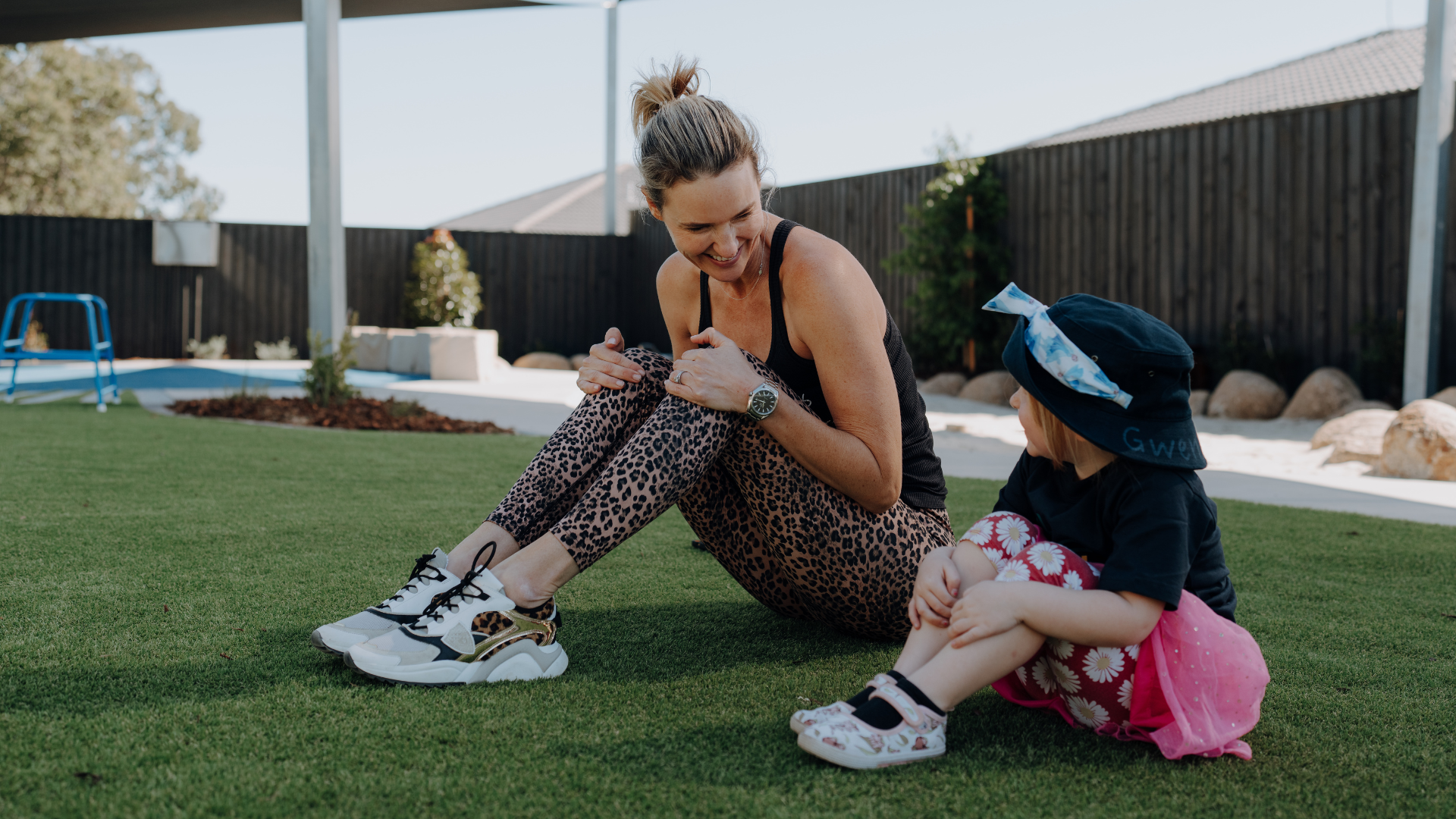
One of my favourite examples is a little girl we see in our clinic. She is an incredible athlete. She's the child who dominates at athletics and every other sport. Most people assumed that because she was sporty, movement wasn't an area of concern.
Yet she was struggling at school. Sitting still was difficult. Organising her work was hard. Maintaining attention took enormous effort. Her confidence in the classroom looked very different to her confidence on the sporting field.
She reminded us that movement is so much more than sporting ability. Strong gross motor skills don't automatically mean every movement foundation has developed in the way a child needs for learning and participation. There is so much more happening beneath the surface.
One of the key messages I wanted educators to leave with was this:
Children don't move because they're learning. They learn because they're moving.
Movement isn't something we squeeze in before the "real learning" begins. It isn't simply a brain break or a way to burn off energy. Movement changes the brain. It supports attention, strengthens regulation, develops confidence, encourages social connection and creates the foundation for learning.
Imagine if, instead of asking children to sit still for longer, we first asked ourselves whether they had enough opportunities to move.
Imagine if every climb, every throw, every balance challenge and every opportunity to push, pull, carry or crawl wasn't seen as just play, but as an opportunity for development.
The environments we create matter. Children don't always need more structured activities. Sometimes they simply need richer movement experiences woven naturally throughout their day.
As I finished my presentation at C&K, I left educators with a simple challenge. The next time they noticed a child moving in a way that caught their attention, I asked them not to jump straight to correction.
Instead, I asked them to become curious.
Ask yourself, "What is this child's movement telling me?"
Because every movement tells a story.
If we can learn to listen through movement, we won't just change the way children move.
We'll change the way they learn, the way they regulate, the way they participate and, ultimately, the way they experience childhood.
Because if movement is the message, every child deserves someone who knows how to listen.
I've created a free Movement Observation Tracker to help educators and parents start looking at movement through a different lens. Head to the link in my bio to download your copy.
